Virechana
Virechana is an important cleansing method in Ayurveda. It is more than just a way to make your bowels move. It is a careful process to clean out bad stuff from your body. This bad stuff is called Ama, which is like trash that builds up in your cells. Virechana focuses on cleaning your liver, gut, and blood. This helps stop diseases and makes your body work better.

What is Virechana?
What is Virechana?
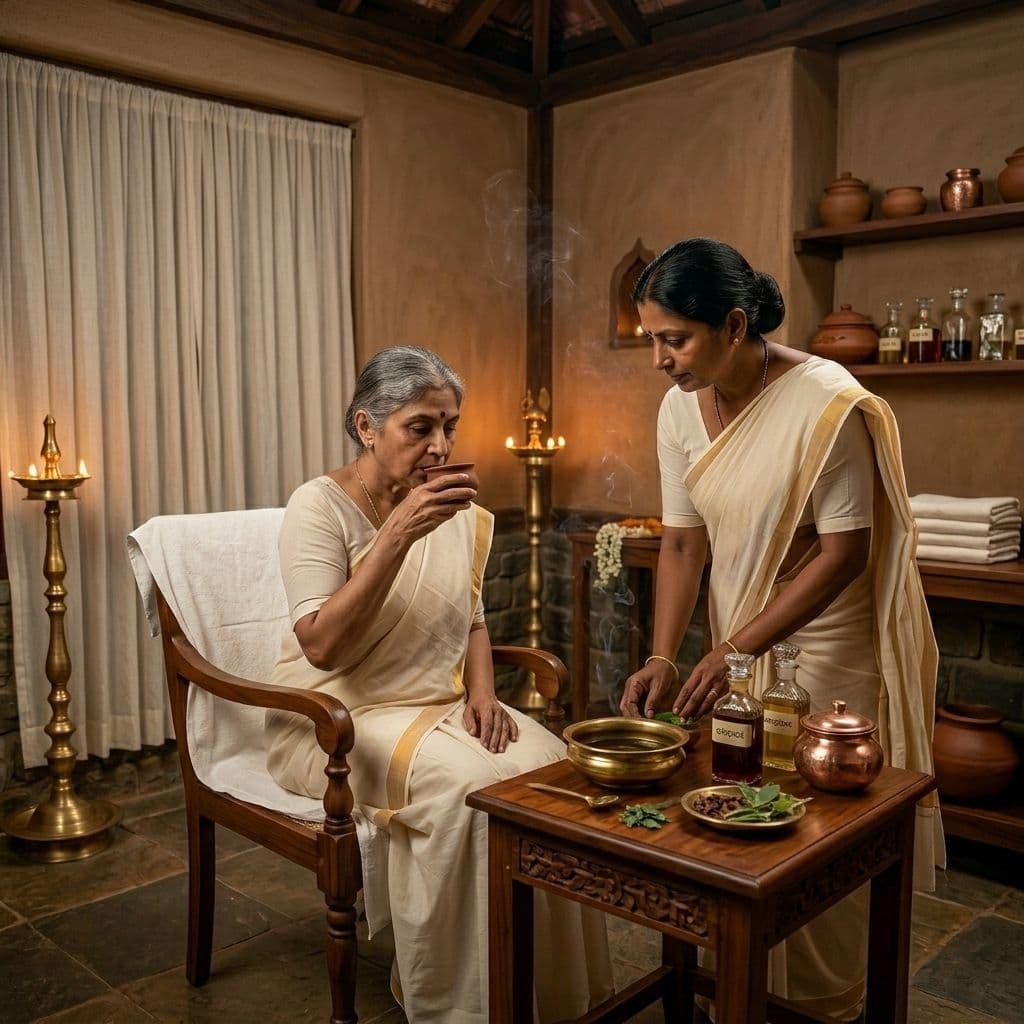
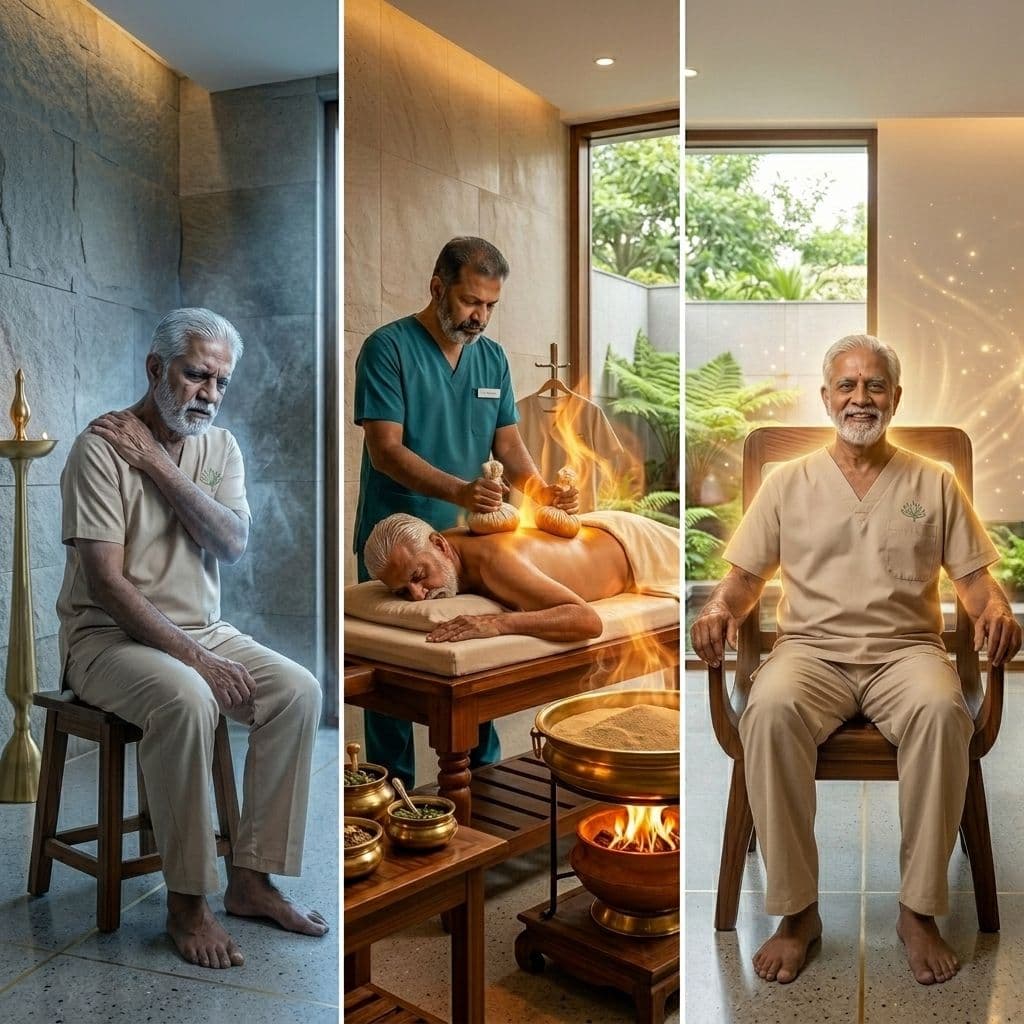
Virechana is a way to cleanse the body. It gets rid of bad stuff and toxins in the body through the lower gut. Unlike other methods that only calm these bad things for a short time, Virechana cleans deeply. It cleans at the cell level and resets how the body works. It cleans the liver, gallbladder, and small intestine. This helps the whole gut system work better and clears tiny channels of sticky stuff.
Key Health Benefits
Getting Rid of Bad Pitta : Hepatobiliary Decongestion (Yakrit-Pliha Prasadana)
Virechana gets rid of extra Pitta. This helps with skin problems, joint pain, stomach acid, and blood problems.
Clearing Channels (Rakta Shodhana)
Virechana clears bad stuff from tiny channels. This helps the body get nutrients and work better.
Helping with Weight (Agni Deepti)
Virechana helps with being too fat. It reduces inflammation and helps the body use fats better.
Helping the Gut Move
Virechana makes sure Vata moves downward. This helps with bloating, constipation, and pelvic pain.
Making You Feel Better (Manasika Prasada)
Virechana clears the mind and senses. This makes you feel better and think clearer.
How it Works (Procedure Steps)
Purvakarma (getting ready for therapy)
A. Before the Procedure
- Deepana-Pachana (Carminative Phase):Herbs are given for 3–5 days to help digest bad stuff.
- Snehapana (Internal Oleation): Medicated Ghrita (ghee) in escalating doses (e.g., 30ml, 60ml, 90ml, up to 150ml+) on an empty stomach is taken for 3 to 7 days.
- The Ninth-Day Rule: If Virechana follows Vamana, wait 8 days before starting Snehapana again [900].
Abhyanga and Swedana (External Mobilization):After Snehapana, a hot-oil massage and steam therapy are done for 3 days. Eat light, warm food during this time. This dilates the micro-channels (Vasodilation / Srotomukha Vivarana), mobilizing the liquefied toxins from the peripheral tissues (Shakha) into the gastrointestinal tract (Koshtha).
Pradhan karma (main line of treatment)
- Assessment: Make sure you digested your last meal. On the morning of the procedure (following a day of rest and a light, warm, semi-solid dinner), the physician confirms the complete digestion of the previous night's food.
- Administration: The customized Virechana formulation (e.g., Trivrit Lehyam or Castor oil with a herbal decoction) is administered at a temperature of approximately 38°C to 40°C to assist absorption.
- Monitoring: The patient is monitored continuously in a warm, draft-free room. The physician charts the timing, volume, and characteristics of every evacuation (Vega). Purgation transitions through distinct physical phases: first fecal matter (Pureesha), followed by mucus (Kapha), then yellow/green bilious fluids (Pitta), and finally, clear or slightly frothy fluid (Anila / Vata). This sequential transition indicates a successful clinical endpoint.
Paschat Karma (Post-Procedure)
Samsarjana Krama (Dietary Graduation)
Following the final evacuation, the patient's digestive capacity (Agni) is temporarily diminished, resembling a flickering flame.
- Samsarjana Krama (Dietary Graduation): A strict, structured dietary regimen is mandated over 3 to 7 days to gently rebuild Agni [3]:
- Phase 1 (Manda): Supernatant rice water (extremely light, fluid).
- Phase 2 (Peya): Thin rice gruel.
- Phase 3 (Vilepi): Thick rice gruel.
- Phase 4 (Yusha): Unspiced, followed by spiced, split mung bean soup.
- Phase 5 (Rasa): Light meat broth or standard light diet.
After Virechana, the body's fire means Agni is weak. You must eat lightly to help it come back.
पेयां विलेपीमकृतं कृतं च यूषं रसं त्रिहिरथैकश्रध्व।११॥
Peyāṃ vilepīmakṛtaṃ kṛtaṃ ca yūṣaṃ rasaṃ trihirathaikaśradhva || 11 || — Charaka Samhita, Siddhi Sthana, 1/11-12 [903]
अग्निसंश्रूक्षणार्थं तु पूर्वं पेयादिना भिषक्।
रसोत्तरेणोपचरेत् क्रमेण क्रमकोविद:॥६॥
Agnisaṃśrūkṣaṇārthaṃ tu pūrvaṃ peyādinā bhiṣak | rasottareṇopacaret krameṇa kramakovidaḥ || 6 || — Charaka Samhita, Siddhi Sthana, 12/6 [911]
Diet management
Parihara Vishaya (Restrictions): The patient must strictly avoid day-sleep (Diva-svapna), physical overexertion, exposure to wind, cold water, loud speech, and emotional stressors during this recovery window to prevent acute autonomic dysregulation.
The three schedules are:
- Pradhana Shuddhi (High Intensity Cleansing):: 12 meals over 4 days.
- Madhyama Shuddhi (Moderate Cleansing): 8 meals over 3 days.
- Avara Shuddhi (Minimal Cleansing): 4 meals over 2 days.
The diet progression is:
- Peya: Thin, unsalted, and unspiced rice gruel (promotes hydration and gently stimulates Agni).
- Vilepi: Thick, paste-like rice gruel (provides easily digestible carbohydrates).
- Akrita Yusha: Unseasoned, unsalted green gram (Mudga) soup.
- Krita Yusha: Green gram soup seasoned with a pinch of rock salt, cumin, ghee, and ginger.
- Akrita Mamsa Rasa / Vegetable Soup: Unseasoned light broth.
- Krita Mamsa Rasa / Vegetable Soup: Seasoned light broth.
Rest and Avoidance
Avoid hard work, cold water, daytime sleeping (Diva-Svapna) , anger, anxiety, sex, and travel after the therapy.
Best Suited For
Who Should Get Virechana?
Virechana helps with many health problems:
Specific Conditions
- Metabolic Disorders: Obesity (Sthaulya), diabetes, dyslipidemia, and metabolic syndrome.
- Skin Diseases: Psoriasis, eczema, chronic urticaria (hives), acne, and vitiligo.
- Gut Problems: Too much stomach acid, IBS, constipation, and hemorrhoids.
- Liver Problems: Fatty liver, gallbladder problems, and jaundice.
- Inflammation: Gout, arthritis, and pelvic disorders.
Body Types
- Pitta Type: People with a Pitta body type should do Virechana in the fall.
- Vata-Pitta & Kapha-Pitta Type: Helps balance these types.
Lifestyle
- People who eat a lot of fat and processed food.
- People with a lot of stress.
- People exposed to chemicals.
Avoid If (Contraindications)
Who Should Not Get Virechana?
- Absolute: Pregnancy, diarrhea, ulcerative colitis, Crohn's disease, rectal bleeding, intestinal block, very weak or very old people.
- Relative: Fever, not oiled, severe dehydration.
Complications
Improper Virechana can cause problems:
- Abdominal Distension: Bloating.
- Parikartika: Pain in the anal area.
- Parisrava: Too much watery discharge.
- Hritgraha: Chest tightness.
- Gatragraha: Muscle cramps.
- Jivadana: Bleeding.
- Savibhramsha: Confusion.
- Stambha: Body stiffness.
- Upadrava: Serious problems.
- Klama: Extreme tiredness
How Your Body Works?
In Ayurveda, Pitta is like the fire in your body. It mostly lives in your stomach and gut. Virechana cleans these places. It gets rid of the bad stuff blocking your body's small paths. This stops diseases from starting. By cleaning out Pitta, Virechana stops diseases from spreading. This protects your blood, skin, and liver.
How It Works Today
From a modern view, Virechana helps your liver and gut work better. The strong herbs make your gallbladder squeeze out bile. This does a few things:
- Clears Bile and Helps Fat: Getting rid of bile acids makes your liver make new ones from cholesterol. This helps your body handle fats better and stops metabolic problems.
- Makes You Go: The herbs pull water into your gut, making you go to the bathroom.
- Resets Your Gut: This cleans your gut lining, getting rid of bad germs and stuff that causes swelling.
Main Herbs Used
The herbs used in Virechana are picked for how strong they are and what they do:
- Trivrit: A strong herb that makes you go to the bathroom easily.
- Haritaki: Clears gas and light waste gently.
- Aragvadha: A gentle herb good for kids, older people, or those with sensitive guts.
- Castor Oil: Makes your gut and womb squeeze, helping to move stubborn, dry bad stuff.
Conclusion
Virechana is a good way to clean your liver and fix your metabolism. It mixes old Ayurveda knowledge with modern science. It doesn't just fix symptoms; it gets rid of the root problem and helps your body work better. Virechana is elevated from a traditional cleansing ritual to an evidence-based clinical intervention. Ultimately, this classical Panchakarma modality does not merely palliate symptoms; it roots out the core of pathogenic accumulation, restoring cellular homeostasis (Samyatva), rejuvenating the metabolic fire (Agni), and offering a sustainable pathway to long-term vitality.
Frequently Asked Questions
Can Virechana be done during menstruation?▼
No. Wait at least 3 days after your period ends. Introducing a powerful, systemic cleansing procedure like Virechana during this time can disrupt the normal flow of Apana Vata, potentially causing severe uterine cramping, erratic bleeding, pelvic pain, and excessive physical exhaustion.
What is the difference between simple laxation and Virechana?▼
Simple laxation (Mridu Rechana) clears the colon. Virechana is a full body cleanse that needs special preparation and diet afterward. Virechana Karma is a comprehensive Panchakarma therapy. It requires Purva Karma (systemic internal oleation with medicated ghee and herbal sweating) to mobilize fat-soluble toxins from the deep tissues (Shakha) into the digestive tract (Koshtha).
Why must Snehapana be restarted on the ninth day if Virechana follows Vamana?▼
The gut needs 8 days to heal after Vamana. Snehapana is restarted on the ninth day to be safe.
How does Samsarjana Krama protect the gut?▼
It helps the gut bacteria and digestive fire come back safely.
What is the standard protocol if Jivadana (rectal bleeding) occurs?▼
Stop purgatives, give cooling and healing foods, and monitor vital signs.
References
- Unlocking Vitality: 5 Reasons to Try Virechana Detoxification Today. Ayurvedic Article.
- Fazlani Nature's Nest. Virechana: The Science of Metabolic Purgation [Internet].
- Charaka Samhita. Siddhi Sthana, Chapter 6. Verses 58-90. (See specifically Ref 577-605).
- Sushruta Samhita. Chikitsa Sthana, Chapter 34. Verses 4-18. (See specifically Ref 609-652).
Medical Reviewer

Syed Aman Hussain
BAMS, MD
Dr. Syed Aman Hussain is a dedicated Ayurvedic physician specializing in the ancient science of detoxification and rejuvenation. An alumnus of the highly esteemed Ayurvedic and Unani Tibbia College, Government of NCT of Delhi, he holds a degree in Bachelor of Ayurvedic Medicine and Surgery (BAMS).