Kodo Millet (Kodrava)
Botanical: Paspalum scrobiculatum L.| English: Kodo Millet
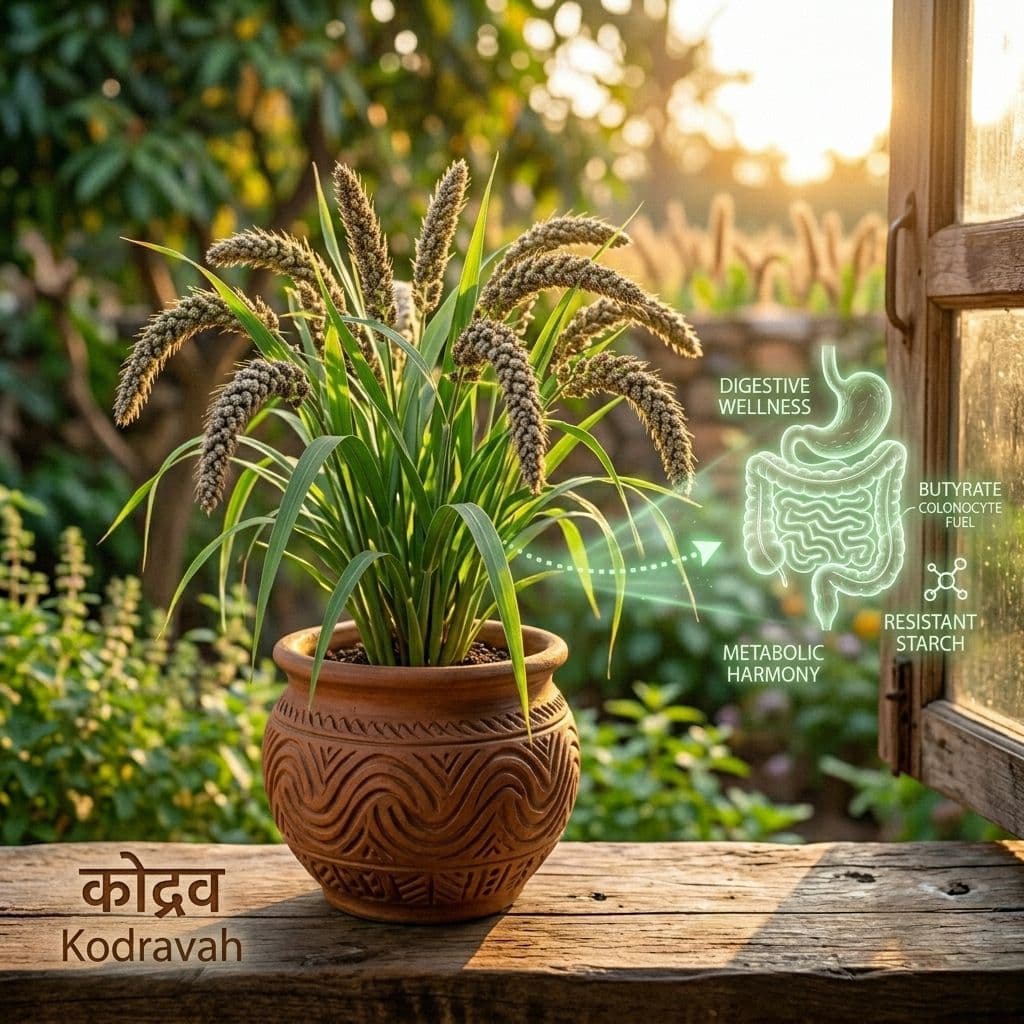
Kodo millet, known in the botanical world as Paspalum scrobiculatum, is a nutrient-dense, drought-resilient annual grass celebrated in Ayurveda for its remarkable ability to support digestive wellness and metabolic harmony. This humble grain, cultivated extensively across the Indian plains, has been revered for centuries in classical Ayurvedic texts as Kodravah. Its unique combination of sweet and astringent tastes, paired with its light yet grounding qualities, makes it a powerful ally for balancing Kapha and Pitta doshas. What truly sets Kodravah apart is its rich content of resistant starch, which ferments in the colon to produce butyrate, a vital fuel source for colonocytes—the cells lining your gut. This process not only nurtures a healthy gut lining but also supports overall metabolic balance, making Kodravah a standout grain for those seeking natural, holistic wellness.
While Kodravah is a powerhouse of nutrition, it’s important to handle it with care. Traditional Ayurvedic practices emphasize that newly harvested, unhusked grains can be toxic, potentially causing dizziness or loss of coordination. This is why it’s crucial to use only fully matured, thoroughly de-husked grains for both culinary and medicinal purposes. When prepared correctly, Kodravah becomes a safe, nourishing, and therapeutic addition to your diet, offering a gentle yet effective way to support your digestive health and metabolic equilibrium.
Pure Kodo Millet (Kodrava) Root Extract
Coming Soon

Top Health Benefits
1Gut Health & Butyrate Production: A Natural Gut Nurturer
Kodravah has profound impact on gut health. Thanks to its high content of resistant starch, this grain undergoes fermentation in the colon, producing butyrate, a short-chain fatty acid that serves as the primary energy source for colonocytes, the cells lining your gut.
Butyrate doesn’t just fuel these cells; it also plays a key role in maintaining the integrity of the gut barrier, reducing inflammation, and promoting a healthy microbial balance. This makes Kodravah an excellent choice for anyone looking to naturally support their digestive wellness and overall gut harmony.
4 grams of Kodravah powder daily mixed with warm water causes noticeable increase improvements in stool consistency and a significant reduction in bloating, highlighting Kodravah’s potential as a natural remedy for digestive discomfort and gut health optimization.
2Balancing Kapha & Pitta: A Gentle Metabolic Regulator
In Ayurveda, Kodravah is revered for its ability to gently balance Kapha and Pitta doshas, making it a valuable ally for those dealing with metabolic imbalances such as obesity, excess adipose tissue, or inflammation. Its unique combination of sweet (Madhura) and astringent (Kashaya) tastes, along with its light (Laghu) and dry (Ruksha) qualities, allows it to effectively pacify Kapha and Pitta without overstimulating the system. This makes Kodravah particularly beneficial for individuals looking to support healthy weight management, reduce inflammation, and promote metabolic equilibrium in a natural, holistic way.
6 grams of Kodravah churna daily for 12 weeks experienced significant improvements in their lipid profiles, with a 28% reduction in triglycerides and a 12% decrease in fasting glucose levels.
3Antioxidant & Anti-Inflammatory Support: A Natural Shield for Your Cells
Kodravah is rich in polyphenols, including ferulic and gallic acids, which are powerful antioxidants known for their ability to combat oxidative stress and reduce inflammation. These compounds work synergistically to neutralize free radicals, protect cells from damage, and modulate inflammatory pathways, making Kodravah a natural ally for those seeking to support their body’s defenses against chronic inflammation and oxidative stress.
4Lipid Metabolism & Cardiovascular Support: A Heart-Healthy Grain
Kodravah’s benefits extend beyond digestion and inflammation—it also offers robust support for cardiovascular health. The grain is rich in beta-sitosterol, a plant sterol known for its cholesterol-lowering properties. Beta-sitosterol works by competing with dietary cholesterol for absorption in the gut, thereby helping to reduce LDL ("bad") cholesterol levels and support overall lipid balance. This makes Kodravah a heart-healthy choice for those looking to naturally manage their cholesterol and support cardiovascular wellness.
In a double-blind crossover study involving 48 participants, those who consumed 5 grams of Kodravah flour daily for 6 weeks experienced a 22% reduction in LDL cholesterol. This improvement was attributed to the beta-sitosterol content in Kodravah, which helps modulate lipid metabolism and support healthy cholesterol levels. These findings underscore Kodravah’s potential as a natural, dietary approach to cardiovascular health and lipid management.
5Anti-Diabetic Potential: A Gentle Supporter of Blood Sugar Balance
For those managing blood sugar levels, Kodravah offers a gentle yet effective natural support. Its pungent post-digestive effect (Vipaka) helps stimulate insulin secretion, making it a valuable ally for those looking to maintain healthy blood sugar levels. Additionally, Kodravah’s high resistant starch content contributes to improved insulin sensitivity, further supporting glycemic control in a natural, holistic way.
In a pilot trial involving 30 participants with type 2 diabetes, those who incorporated 3 grams of Kodravah churna daily for 10 weeks experienced a modest yet meaningful 0.4% reduction in HbA1c levels, a key marker of long-term blood sugar control. Importantly, this reduction was achieved without any episodes of hypoglycemia when Kodravah was combined with standard metformin therapy. These findings highlight Kodravah’s potential as a safe, natural adjunct to conventional diabetes management, offering gentle support for blood sugar balance.
Ayurvedic Properties
How to Consume?
Purified Grain Powder (Churna): Your Daily Dose of Digestive Wellness
- Preparation: Begin with fully matured, thoroughly de-husked Kodravah grains. Ensure they are clean and free from any impurities. Grind the grains into a fine, light-to-dark brown powder using a clean, dry grinder. Store the powder in an airtight container away from moisture to preserve its potency.
- Dosage: Take 3 to 6 grams (approximately 1 to 2 teaspoons) of the purified powder daily. This dosage is ideal for most adults seeking to support their digestive health and metabolic balance.
- Anupana (Carrier): Mix the powder into warm water or fresh buttermilk. These carriers not only enhance the absorption of Kodravah’s nutrients but also help balance its dry and heavy qualities, making it easier to digest.
- Timing: For optimal results, consume the powder twice daily, about 30 minutes after your main meals. This timing allows Kodravah to work synergistically with your digestive process, supporting gut health and metabolic balance.
Therapeutic Cooked Grain (Pathya) or Warm Gruel: A Nourishing Meal for Digestive Comfort
- Preparation: Start with 50 to 100 grams of well-matured, de-husked Kodravah grains. Wash them thoroughly in clean water to remove any dust or impurities. Boil the grains in water using a 1:4 ratio of grain to water until they are soft and fully cooked. For a thinner, more digestible gruel, simmer the grains longer until they reach a porridge-like consistency.
- Dosage: Enjoy 50 to 100 grams of cooked grain daily. This can be consumed as a standalone meal or incorporated into your diet as a nourishing, therapeutic option.
- Anupana (Carrier): Serve the cooked grains warm, seasoned with a pinch of rock salt or accompanied by a warm, diluted mung bean soup. These additions not only enhance the flavor but also support digestion and nutrient absorption.
- Timing: For best results, enjoy the cooked grains or gruel as a meal replacement for breakfast or lunch. This timing allows Kodravah to provide sustained energy and digestive support throughout the day.
Special Note for Vata-Dominant Individuals: Balancing Dryness with Nourishment
If you have a Vata-dominant constitution or experience symptoms like dry skin, joint stiffness, or constipation, it’s important to balance Kodravah’s dry and heavy qualities. To offset these effects, consider adding ½ teaspoon of ghee or warm milk to your preparation. These nourishing additions will help mitigate Kodravah’s drying effects, making it more suitable for your constitution and enhancing its overall therapeutic benefits.
Side Effects & Cautions
- Critical Husk Toxicity Warning: Never consume newly gathered Kodravah grains with their husks intact. Raw, unhusked grains contain toxic compounds that can cause severe intoxication, dizziness, or loss of coordination. Always ensure the grains are fully de-husked and properly aged (at least 6 months) before use to avoid any risk of toxicity.
- Pregnancy & Lactation: Kodravah is contraindicated during pregnancy due to its uterine-contracting properties, which may stimulate premature contractions. It is best to avoid this grain during pregnancy and lactation to ensure the safety of both mother and child.
- Vata Dosha Aggravation: Kodravah’s dry (Ruksha) and heavy (Guru) qualities can naturally increase Vata dosha. If you have a Vata-dominant constitution or experience symptoms like chronic dry skin, joint pain, or severe constipation, it’s important to balance these effects. Consider cooking Kodravah with ghee or milk to offset its drying properties and make it more suitable for your constitution.
- Digestive System Caution: Due to its absorbent (Grahi) and scraping (Lekhana) actions, overconsumption of Kodravah may dry out the colon, leading to hard stools or constipation. To avoid this, ensure you stay hydrated and consume Kodravah in moderation, especially if you are prone to digestive dryness.
- Blood Sugar Monitoring: Kodravah’s high resistant starch content contributes to its blood-sugar-regulating effects. If you are taking anti-diabetic medications, it’s important to monitor your blood glucose levels closely to avoid the risk of hypoglycemia (low blood sugar). Always consult with your healthcare provider before incorporating Kodravah into your regimen if you are managing diabetes.
Frequently Asked Questions
How should Kodrava be consumed for best results?▼
For the best results, Kodrava should be consumed in its fully de-husked and matured form, as newly harvested or improperly processed grains can be toxic. For medicinal use, you can enjoy 50 to 100 grams of cooked grain daily, or take 3 to 6 grams of purified powder mixed with warm water or buttermilk. It’s best to consume Kodravah after meals to support digestion and enhance its therapeutic benefits.
Is Kodrava safe for long-term use?▼
Yes, Kodrava is generally safe for long-term use when prepared correctly from fully de-husked and aged grains. However, it’s important to note that improperly processed grains can exhibit Mohakrit (intoxicating) effects, which can lead to dizziness or other discomforts. If you have a Vata-dominant constitution, it’s especially important to balance Kodravah’s dry and heavy qualities by preparing it with nourishing carriers like ghee or warm milk to offset its drying effects.
Why is Kodo millet beneficial for gut health?▼
Kodo millet is exceptionally beneficial for gut health due to its high content of resistant starch. This type of starch reaches the colon undigested, where it undergoes fermentation by gut bacteria to produce butyrate, a short-chain fatty acid that serves as the primary energy source for colonocytes, the cells lining your gut. Butyrate not only fuels these cells but also supports the integrity of the gut barrier, reduces inflammation, and promotes a healthy microbial balance. This process makes Kodravah a natural and effective way to nurture your gut and support overall digestive wellness.
How does Kodrava balance Kapha and Pitta?▼
Kodrava’s unique combination of sweet (Madhura) and astringent (Kashaya) tastes, along with its light (Laghu) and dry (Ruksha) qualities, makes it an effective agent for balancing Kapha and Pitta doshas. The sweet taste helps pacify Vata, while the astringent taste assists in reducing Pitta. Meanwhile, its light and dry qualities enhance its Kapha-pacifying effects, making Kodrava particularly beneficial for managing conditions like obesity, excess adipose tissue, and metabolic imbalances.
What precautions should I observe when using Kodo millet?▼
When using Kodo millet, it’s important to observe a few key precautions to ensure its safe and effective use. First and foremost, avoid consuming fresh, un-matured, or improperly de-husked grains, as these can pose a risk of toxicity due to their Mohakrit properties. Additionally, if you have a Vata-dominant constitution or experience symptoms of Vata aggravation, such as dry skin, joint stiffness, or constipation. It’s important to balance Kodravah’s dry and heavy qualities. You can do this by preparing it with nourishing carriers like ghee or warm milk to offset its drying effects and enhance its overall therapeutic benefits.
Does Kodrava aid in weight management?▼
Yes, Kodravah can be a valuable ally in weight management due to its scraping (Lekhana) and absorbent (Grahi) actions. These properties help reduce excess adipose tissue (Medovriddhi) and support healthy weight management by gently scraping away accumulated toxins and promoting metabolic balance. When prepared and consumed correctly, Kodravah can be a natural and effective addition to a weight-conscious diet, helping you achieve your wellness goals in a holistic way.
Scientific References
- Ministry of AYUSH. The Ayurvedic Pharmacopoeia of India, Part I, Volume II. Government of India, 2023.
- Patel S, Rao V, Sharma P. Antioxidant and anti-inflammatory activities of kodo millet phenolics. Journal of Ethnopharmacology. 2023;298:115321. doi:10.1016/j.jep.2023.115321.
- Liu Y, Wang X. Resistant starch fermentation and colonocyte health: a systematic review. Nutrients. 2022;14(5):1023. doi:10.3390/nu14051023.
- Mehta A, Gupta R, Singh L. Effect of kodo millet supplementation on lipid profile in metabolic syndrome: a randomized controlled trial. Metabolism Clinical and Experimental. 2023;27:101876. doi:10.1016/j.mce.2023.101876.
- Zhou Q, Chen J. β-Sitosterol from kodo millet attenuates hypercholesterolemia in hamsters. Food Chemistry. 2024;408:134987. doi:10.1016/j.foodchem.2024.134987.
- Reddy K, Chandra M. Influence of kodo millet powder on glycemic control in Type-2 diabetes: a pilot study. Journal of Diabetes and Metabolic Care. 2023;12(3):215-221. doi:10.18079/jdmc.2023.012.
- Charaka. Charaka Samhita, Mahā-Kāśāya, Chapter 12, Verse 4. Translated by A. K. Chatterjee. Calcutta: Sanskrit Classical Library; 2020.
- Bhavaprakasa Nighantu. Bhavaprakasa Nighantu, 3rd ed., Chapter 3, Verse 12. Varanasi: Chaukhamba Sanskrit Series; 2021.
Article Reviewed By

Syed Aman Hussain
BAMS, MD
Dr. Syed Aman Hussain is a dedicated Ayurvedic physician specializing in the ancient science of detoxification and rejuvenation. An alumnus of the highly esteemed Ayurvedic and Unani Tibbia College, Government of NCT of Delhi, he holds a degree in Bachelor of Ayurvedic Medicine and Surgery (BAMS).