Ved Club
Back to Diseases
Disease Management

Motor Neuron Disease (MND)

Motor Neuron Disease (MND) damages the nerve cells controlling muscles, causing progressive weakness, twitching, swallowing trouble, and breathing difficulty. In Ayurveda, it is classified under Sarvanga Vatam (generalized Vata disturbance), Avaranavata (blockage of nervous flow), and Majjagata vata (Vata in bone marrow and nervous system). Ayurveda treats it through specialized Panchakarma, herbal medicines, and a carefully structured diet and lifestyle protocol.

Motor Neuron Disease (MND)

Overview & Modern Science

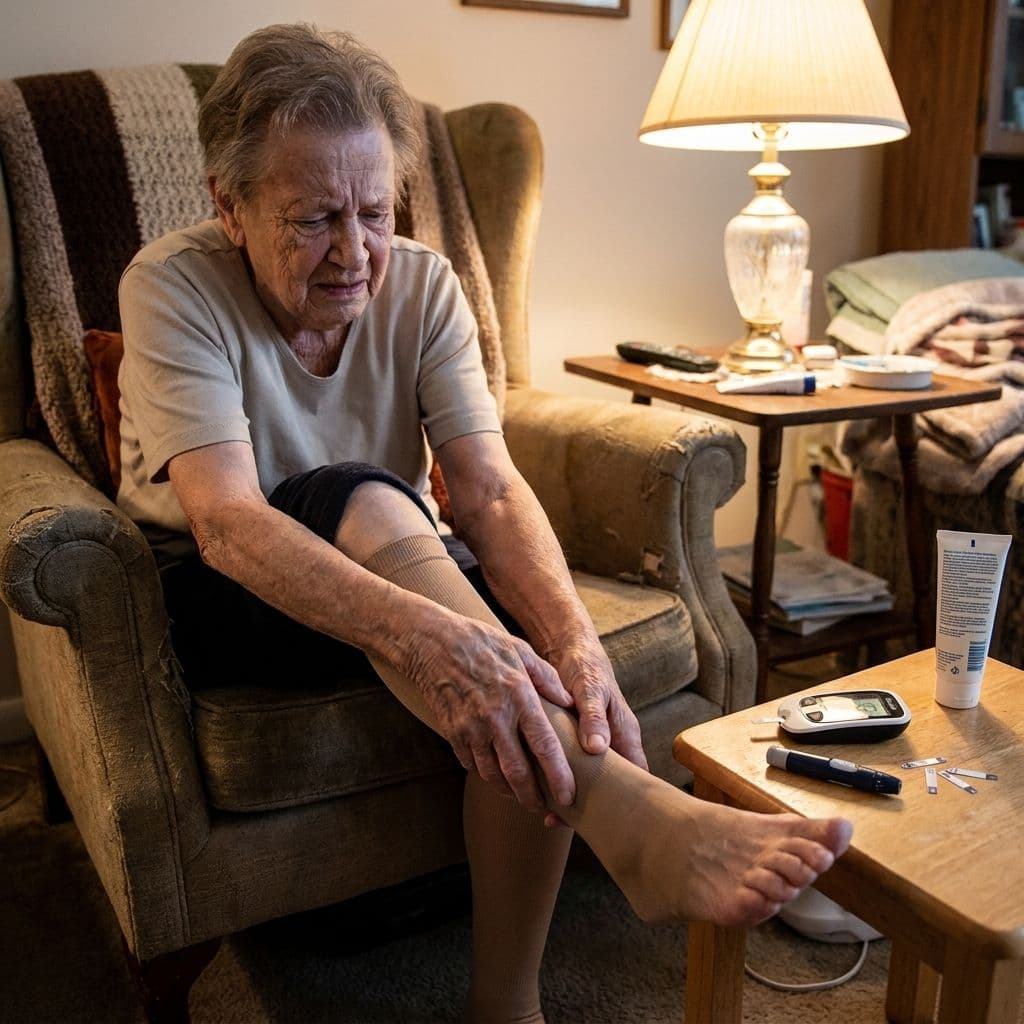
Motor neuron disease (MND) damages the nerve cells that control muscles. It causes progressive weakness, twitching, swallowing trouble, and breathing difficulty. Patients may also feel muscle cramps, slurred speech, and an uneven gait.

In Ayurveda this pattern is linked to an overall Vata imbalance called Sarvanga Vatam (generalized Vata disturbance). It also involves a blockage of Vata pathways (Avaranavata, blockage of nervous flow) and a weak metabolic fire in muscle tissue (Mamsa dhatu agni dusti, impaired muscle metabolism). Vata can become trapped in the bone marrow and nervous system (Majjagata vata).

Common Symptoms

1. Progressive muscle weakness: Muscles get weaker over time, making movement difficult.
2. Muscle wasting: Muscles shrink and lose their bulk.
3. Fasciculation (muscle twitching): Small, involuntary twitches can be seen under the skin.
4. Dysphagia (difficulty swallowing): Swallowing food and liquids becomes hard.
5. Limb weakness and spasticity: Arms and legs feel weak and can become stiff.
6. Slurred speech (dysarthria): Talking becomes unclear or difficult to understand.
7. Impaired gait: Walking can become unsteady, uneven, or difficult.
8. Facial weakness: Muscles in the face may become weak or droop.
9. Muscle cramps: You may experience painful, involuntary muscle contractions.
10. Breathing difficulty: It can become hard to breathe normally.
11. Emotional lability: Emotions might change quickly or be easily triggered.
12. Excessive salivation: The body may produce too much saliva.

Causes & Triggers

1. Imbalanced Doshas: This disease links to Sarvanga Vatam (generalized neurological Vata disturbance). Avaranavata (blockage of Vata pathways) occurs when Vata flow is hindered. Mamsadhatva agni dusti (impaired metabolic fire of muscle tissue) leads to Ksaya Rogam (degenerative tissue wasting). Vata also localizes in Majjagata vata (bone marrow and nervous system).
2. Root Causes (Nidana): Ayurveda identifies genetic factors and environmental influences. Toxic exposure and viral causes can also play a role.

The Ayurvedic Perspective

1. Sarvanga Vatam: Generalized Vata disturbance affecting the entire nervous system and musculature.
2. Avaranavata: Blockage of Vata pathways by other doshas or tissues, disrupting neural impulse conduction.
3. Mamsa dhatu agni dusti: Impaired metabolic fire in muscle tissue leading to progressive muscle wasting (Ksaya Rogam).
4. Majjagata vata: Vata becomes trapped in bone marrow and the nervous system, causing deep degenerative changes.
5. Genetic, environmental, toxic, and viral factors are identified as Nidana (root causes) in the Ayurvedic framework.

Recommended Herbs & Treatment

Cleansing Therapies (Panchakarma)
1. Mustadi Rajayapana Vasti (medicated enema): Helps rejuvenate the nervous system and clear deep-seated blockages.
2. Dvipancamuladi Vasti (medicated enema): Targets severe Vata complications and calms nervous agitation.
3. Nasyam (nasal administration): Rasna dasamula tailam nasyam (up to 4 ml per nostril) given in a hospital, delivers medication directly to the brain.
4. Udvartanam (dry powder scrubbing): Kolakulattadi curnam and Triphala curnam are used to clear blockages and reduce Kapha-Vata obstruction.

Important Herbal Medicines
1. Gandharvahastadi kashayam (herbal decoction): Supports nerve function during the initial phase.
2. Lavanga churnam (powdered clove): Aids digestion and calms Vata.
3. Rasonadi vati (tablet with garlic and onion): Strengthens muscle tissue and improves vitality.
4. Sahacaradi tailam (oil): Used for external oleation after blockage clearance.
5. Masa tailam (oil): Nourishes bone marrow and nervous tissue, supporting Majjagata vata.

Home Remedies

1. Physiotherapy: This is strongly advised to maintain mobility and muscle function.
2. Avoid excessive physical exercise (beyond tolerance): Straining the body can worsen Vata imbalance and tissue loss.
3. Avoid Vata-increasing physical activities and lifestyles (Vata vriddhi kara vihara): Limit activities that are highly stimulating, erratic, or cause exhaustion.

Diet & Lifestyle (Ahara-Vihara)

Ahara (Diet):
1. Recommended: Warm, unctuous (snigdha), easily digestible foods; sesame oil, ghee, milk, black gram (urad dal), horse gram, meat soups (mamsa rasa); Vata-pacifying diet rich in sweet, sour, and salty tastes.
2. Avoid: Cold, dry, light, and rough (ruksha) foods; excessive fasting; stale or processed food; bitter and astringent-dominant diet; excessive raw vegetables and legumes.

Vihara (Lifestyle):
1. Gentle daily oil massage (Abhyanga) with warm sesame or Mahanarayan taila to nourish nerves and muscles.
2. Adequate rest and sleep; avoid excessive mental and physical exertion.
3. Protect from cold and wind exposure (Vata-aggravating environments).
4. Regular mild Yoga and Pranayama to maintain respiratory and muscular function.
5. Avoid suppression of natural urges (Vegas dharana) as it aggravates Vata.
6. Maintain a calm, stress-free routine to prevent psychological aggravation of Vata dosha.

Yoga Asanas for Motor Neuron Disease

Gentle, supported yoga practices are recommended under supervision. Avoid strenuous inversions or poses requiring strong muscle control.
1. Shavasana (Corpse Pose): Deep relaxation; reduces nervous system stress and calms Vata.
2. Sukhasana with Pranayama (Easy Seated Pose): Diaphragmatic and Nadi Shodhana breathing to support lung function.
3. Viparita Karani (Legs-Up-the-Wall): Improves circulation to the lower limbs and reduces spasticity.
4. Marjaryasana-Bitilasana (Cat-Cow): Gentle spinal mobilization to maintain flexibility and stimulate Majja dhatu.
5. Balasana (Child's Pose): Relaxes the back and nervous system; counters tension from muscle stiffness.
6. Anuloma Viloma Pranayama: Balances Vata and improves oxygenation of nervous tissue.

Frequently Asked Questions

Is Motor Neuron Disease curable in Ayurveda?

MND is not curable in either modern medicine or Ayurveda. However, Ayurvedic treatments aim to slow progression, improve quality of life, maintain muscle strength, and support the nervous system through Panchakarma therapies, herbal medicines, and lifestyle modifications based on Vata pacification principles.

What is the Ayurvedic classification of MND?

In Ayurveda, MND is classified under three overlapping conditions: Sarvanga Vatam (generalized Vata disturbance affecting the whole body), Avaranavata (obstruction of Vata channels leading to impaired neural impulse transmission), and Majjagata vata (Vata lodged in the bone marrow and nervous tissue causing degenerative changes).

Which Panchakarma therapy is most beneficial for MND?

Vasti (medicated enema) is considered the most effective Panchakarma therapy for MND, as it directly pacifies Vata dosha — the primary pathological factor. Mustadi Rajayapana Vasti and Dvipancamuladi Vasti are specifically indicated. These therapies nourish the nervous system and help restore neural function by clearing Avarana (blockages) and replenishing Majja dhatu.

What dietary changes are recommended for MND in Ayurveda?

Ayurveda recommends a Vata-pacifying diet: warm, unctuous (snigdha), and easily digestible foods such as sesame oil, ghee, milk, black gram (urad dal), horse gram, and meat soups (mamsa rasa). Foods with sweet, sour, and salty tastes are encouraged. Cold, dry, rough (ruksha) foods, excessive fasting, raw vegetables, and bitter or astringent-dominant foods should be strictly avoided.

Can yoga and exercise help in Motor Neuron Disease?

Gentle, supervised yoga practices can help maintain flexibility, improve respiratory function, and calm the nervous system in MND. Recommended practices include Shavasana, Sukhasana with Pranayama, Viparita Karani, Cat-Cow (Marjaryasana-Bitilasana), and Balasana. Strenuous exercises and inversions should be avoided. Anuloma Viloma Pranayama is especially beneficial for balancing Vata and supporting oxygenation of nervous tissue.

Conclusion

Motor Neuron Disease (MND) is a severe progressive neurological condition that poses significant challenges to both modern medicine and traditional healing systems. While modern treatment focuses primarily on symptomatic management and slowing disease progression, Ayurveda offers a holistic framework for understanding and managing this condition through the lens of Sarvanga Vatam, Avaranavata, and Majjagata vata.

Ayurvedic interventions — including specialized Panchakarma therapies such as Mustadi Rajayapana Vasti and Nasyam, classical herbal formulations, Vata-pacifying diet, and gentle lifestyle modifications — aim to nourish the nervous system (Majja dhatu), restore Vata balance, and improve functional quality of life. Supportive practices such as Abhyanga, Pranayama, and guided yoga further complement the therapeutic approach.

An integrated, individualized treatment plan combining Ayurvedic care with modern neurological management offers the best outcomes for persons living with MND. Early intervention, consistent therapy, and caregiver support remain critical pillars in managing this challenging condition effectively.

Reviewed By

Book Consult