Ved Club
Back to Diseases
Disease Management

Hair Loss (Indraluptam) - Ayurvedic Treatment & Management

Hair loss, known as Indraluptam in Ayurveda, manifests as thinning hair or bald patches, often appearing gradually or suddenly. Common forms include alopecia areata, which creates round patches surrounded by normal hair. Ayurveda attributes this condition to Kapha blockage in the scalp and the presence of Raktaja Krmi, a microbial factor, along with autoimmune activity. Effective Ayurvedic treatment involves Panchakarma therapies, herbal medicines, and dietary and lifestyle adjustments to restore hair health.

Hair Loss (Indraluptam) - Ayurvedic Treatment & Management

Overview & Modern Science

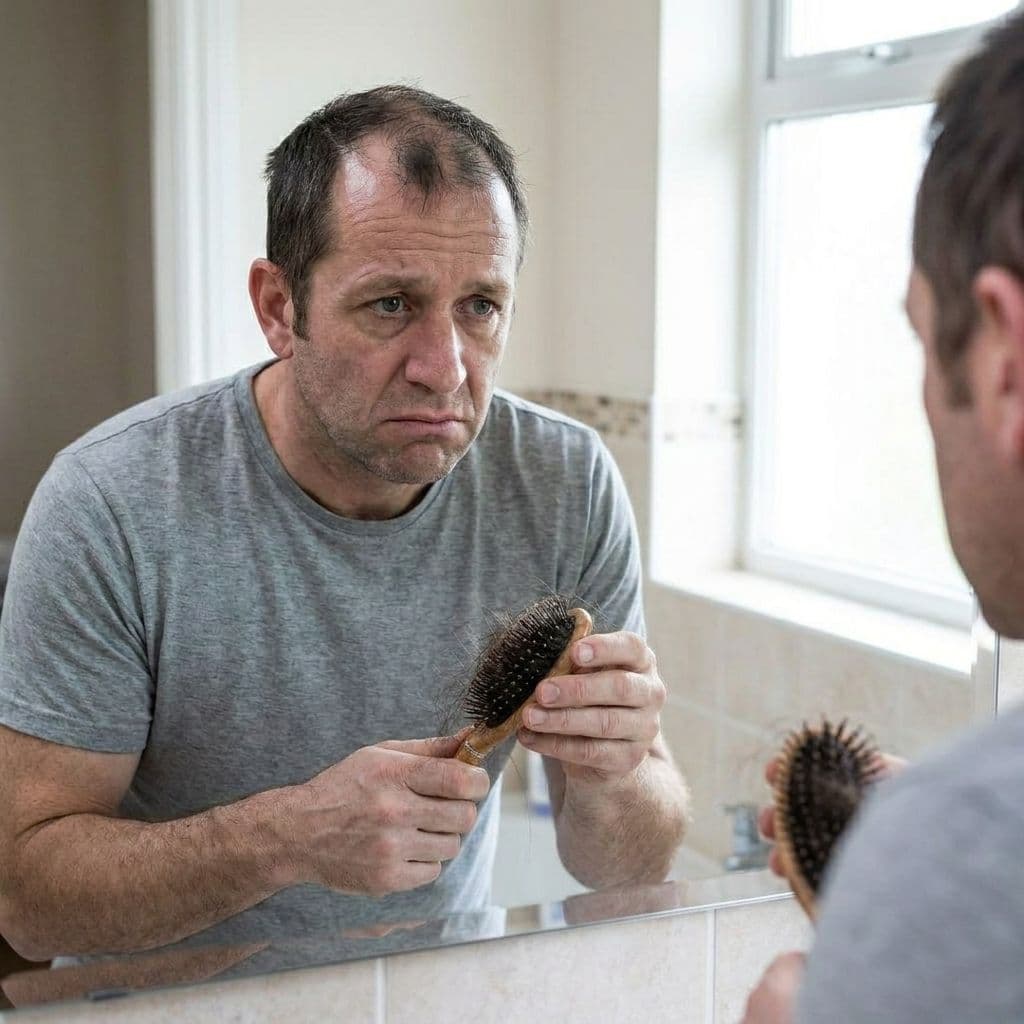
Hair loss shows as thinning or bald spots. It may appear gradually or suddenly. Common forms include alopecia areata, which creates round patches often surrounded by normal hair.

The Ayurvedic view describes the problem as Kapha blockage in the scalp. It also links the issue to Raktaja Krmi, a microbial factor. Autoimmune activity is seen as a contributing cause. When Kapha builds up, it stops hair growth.

Common Symptoms

Hair loss shows as thinning or bald spots. It may appear gradually or suddenly. Common forms include alopecia areata, which creates round patches often surrounded by normal hair.

The Ayurvedic view describes the problem as Kapha blockage in the scalp. It also links the issue to Raktaja Krmi, a microbial factor. Autoimmune activity is seen as a contributing cause. When Kapha builds up, it stops hair growth.

Causes & Triggers

  • Imbalanced Doshas: Kapha dosha accumulates in the scalp and creates a physical obstruction that stops hair follicles from functioning.
  • Root Causes (Nidana): This condition is often triggered by autoimmune activity and the presence of Raktaja Krmi, which are pathogenic or microbial factors in the blood.

The Ayurvedic Perspective

  • Kapha blockage in the scalp is a primary factor in hair loss, leading to obstruction of hair follicles.
  • Raktaja Krmi, a microbial factor, contributes to scalp inflammation and hair loss.
  • Autoimmune activity exacerbates the condition by attacking hair follicles.

Recommended Herbs & Treatment

  • Virechana (Purgation): Removes excess Kapha and toxins from the body.
  • Rakta Mokshana (Bloodletting): Clears impure blood that fuels scalp inflammation.
  • Pracchana (Scarification): Stimulates scalp circulation to aid regrowth.
  • Jalauka (Leech Therapy): Extracts excess dosha and toxins from the scalp.
  • Chandrasuradi Kashayam: Herbal decoction that fights infection and balances Kapha.
  • Vidalinveradi Kashayam: Decoction that reduces inflammation and removes toxins.
  • Nimbadi Kashayam: Decoction that strengthens hair follicles.
  • Krmigna Vati: Herbal tablet that targets the microbial cause of hair loss.
  • Sringa Bhasma: Calcium-rich ash that nourishes the scalp.
  • Nimba Tailam: Neem oil that treats scalp infections and reduces blockage.

Home Remedies

Diet & Lifestyle (Ahara-Vihara)

  • Green Leafy Vegetables: These provide essential nutrients that nourish the hair and blood.
  • Dates and Dried Grapes: These act as natural tonics to help strengthen hair tissues.
  • Milk: This provides vital moisture and nourishment to support healthy hair growth.
  • Iron-Rich Foods: These help correct deficiencies that contribute to thinning and loss.
  • Bhringaraja and Matsyakshi Herbs: These are traditional Ayurvedic herbs specifically known for supporting hair health.
  • Avoid Kapha-Aggravating Foods: Curd, black gram (masha), and jaggery (guda) increase blockage in the scalp.
  • Avoid Heavy or Sticky Foods: Foods that are too heavy or oily can cause congestion in the body channels.
  • Avoid Junk and Deep-Fried Items: These create toxins (Ama) that interfere with the natural healing process of the scalp.
  • Scalp Hygiene: Gently rinse and dry the hair to keep the scalp clean and free from excess oil and debris.
  • Controlled Washing: Limit shampoo use to once every five days to prevent stripping the scalp of its natural protective barrier.
  • Stress Management: Practice relaxation to avoid the negative effects of stress on hair health.
  • Avoid Day Sleep: Do not sleep during the day as it increases Kapha dosha and disrupts the body’s natural energy flow.
  • Avoid Exposure to Cold: Avoid direct exposure to cold air or water, as it can aggravate the dosha imbalances related to hair loss.

Understanding the Disease: Modern & Ayurvedic View

The Ayurvedic perspective on hair loss, known as Indraluptam, emphasizes the role of dosha imbalances, particularly Kapha accumulation in the scalp. This blockage, combined with Raktaja Krmi (microbial factors) and autoimmune activity, disrupts hair follicle function. Modern medicine correlates this condition with alopecia areata, characterized by patchy hair loss. Ayurveda addresses these root causes through a combination of Panchakarma therapies, herbal medicines, and lifestyle adjustments to restore balance and promote hair regrowth.

Frequently Asked Questions

Is hair fall considered a normal process in Ayurveda?

Normal shedding occurs as part of the hair cycle, but excessive, patchy hair loss known as Indraluptam, linked to Kapha obstruction and Raktaja Krmi, requires specific Ayurvedic medical intervention.

Can diet help with hair loss?

Yes, incorporating green leafy vegetables, dates, and iron-rich foods, while avoiding Kapha-aggravating foods like curd and heavy sweets, is vital for hair health.

What is the role of Lekhana in treating Alopecia?

Lekhana or scraping using specific leaf decoctions or pastes is used in Indraluptam to stimulate the scalp and remove the Kapha blockage from hair follicles to promote regrowth.

How often should one wash their hair according to Ayurvedic guidelines for hair loss?

It is recommended to limit shampoo use to once every five days to maintain scalp hygiene while preventing the stripping of natural protective barriers.

What are the primary Ayurvedic treatment principles for Indraluptam?

The core principles include Krmihara (anti-microbial therapy), Kustahara (skin healing), Lekhana (scraping), Kesa samraksana (hair protection), and Asthi pusti kara (tissue nourishment).

Can cupping therapy or Punarnava Mandur help with hair loss?

Yes, in some cases, cupping therapy and Punarnava Mandur can improve blood circulation and reduce hair loss.

Can Alopecia Totalis be completely cured?

Complete cure for Alopecia Totalis is challenging, but proper Panchakarma and dietary adjustments can lead to significant improvement.

Conclusion

Hair loss, or Indraluptam, can be effectively managed through Ayurvedic principles that focus on balancing doshas, removing toxins, and nourishing hair follicles. By adopting Panchakarma therapies, herbal treatments, and a supportive diet and lifestyle, individuals can address the root causes of hair loss and promote healthy hair regrowth. Early intervention and consistent care are key to achieving lasting results.

Reviewed By

Book Consult