Ved Club
Back to Diseases
Disease Management

Achilles Tendinitis: Ayurvedic Treatment for Natural Relief

Achilles tendinitis causes pain at the back of the heel, often worsening with activity. Ayurveda views this as a Vata dosha imbalance (Vatakandaka), leading to dryness and irritation in the tendon. Treatment focuses on pacifying Vata, reducing inflammation, and promoting healing through therapies like Basti, Agnikarma, and herbal remedies such as Guggulu and Ashwagandha.

Overview & Modern Science

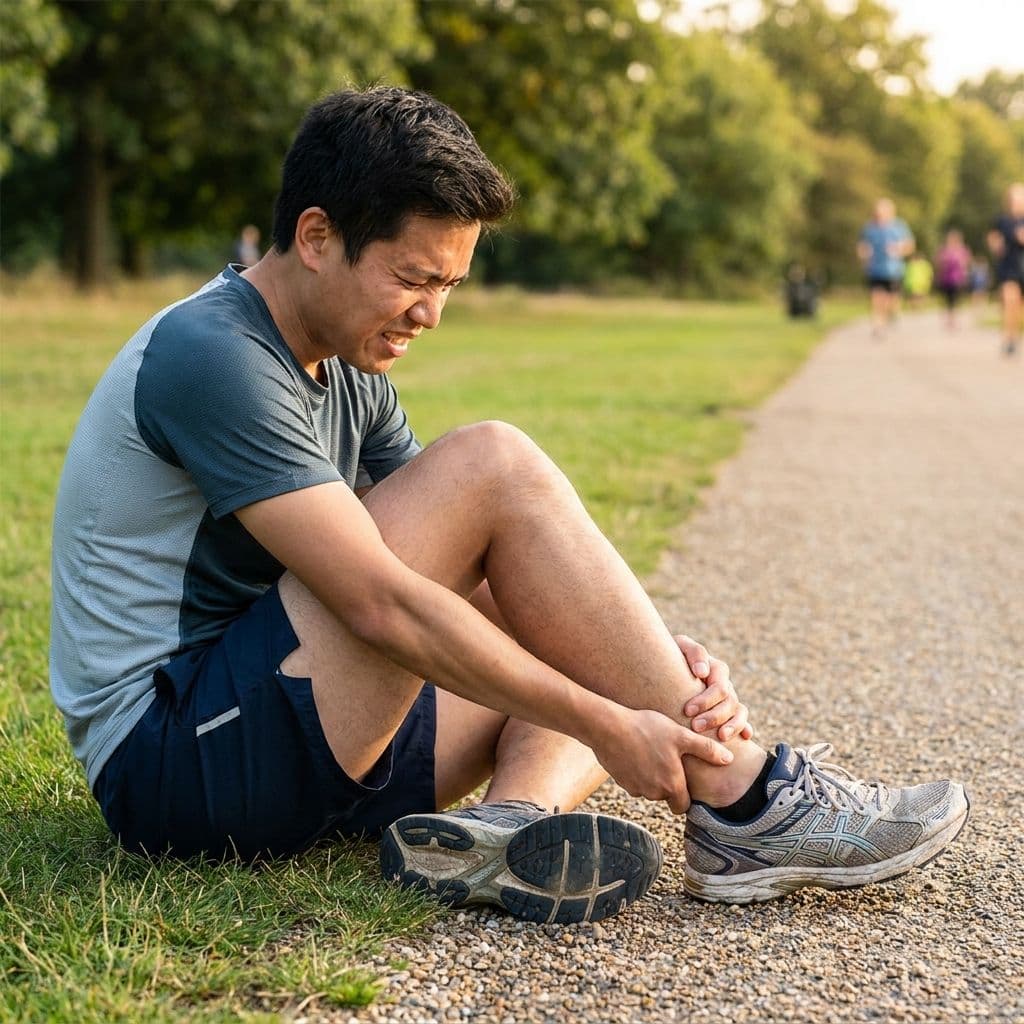
Achilles tendinitis is a common problem that causes pain at the back of the heel. The pain gets worse with activity and may be felt near the calf muscle.

Ayurveda describes this condition as Vatakandaka, a Vata dosha imbalance. The Vata energy becomes disturbed by overuse or excessive cold, leading to dryness and irritation in the tendon.

Common Symptoms

Achilles tendinitis is a common problem that causes pain at the back of the heel. The pain gets worse with activity and may be felt near the calf muscle.

Ayurveda describes this condition as Vatakandaka, a Vata dosha imbalance. The Vata energy becomes disturbed by overuse or excessive cold, leading to dryness and irritation in the tendon.

Causes & Triggers

  • Imbalanced Doshas: This condition is a Vatavyadhi (Vata disorder) where the Vata dosha becomes agitated, causing dryness and loss of flexibility in the tendon.
  • Root Causes (Nidana): Overuse or repeated strain on the ankle and exposure to cold environments trigger Vata, leading to the condition known as Vatakandaka.

The Ayurvedic Perspective

  • Cleansing Therapies (Panchakarma) focus on balancing Vata and nourishing the tendon through therapies like Basti (medicated enema) and Svedana (heat sudation).
  • Herbal medicines like Guggulu reduce inflammation, while Vata-hara Kashayam balances Vata energy and Triphala Guggulu supports joint comfort.

Recommended Herbs & Treatment

  • Basti (Medicated Enema Therapy): Calms Vata and helps nourish the tendon.
  • Svedana (Heat Sudation Therapy): Uses gentle warmth to ease stiffness and pain.
  • Guggulu: Reduces inflammation in the tendon.
  • Vata hara Kashayam: Balances Vata energy.
  • Triphala Guggulu: Supports joint comfort.

Home Remedies

  • Apply warm herbal poultices (Lepana) to reduce pain and inflammation.
  • Practice gentle yoga stretches like calf stretches and heel drops to maintain mobility.

Diet & Lifestyle (Ahara-Vihara)

  • Foods to Favor (Pathya): Warm and freshly cooked meals, easy-to-digest light meals, and anti-inflammatory foods like turmeric and ginger.
  • Foods to Limit or Avoid (Apathya): Cold, dry, and raw foods, as well as heavy or fried foods that aggravate Vata and hinder digestion.
  • Helpful Lifestyle Habits: Rest the affected tendon, engage in gentle movement, avoid overexertion, and keep the ankle warm to prevent Vata aggravation.

Frequently Asked Questions

How does Ayurveda categorize Achilles tendinitis?

It is classified as a Vatavyadhi, specifically correlated with Vatakandaka, resulting from a Vata dosha imbalance in the musculoskeletal system.

Is Agnikarma effective for Achilles tendinitis?

Yes, current clinical practice and research indicate that Agnikarma is highly effective for reducing chronic pain and inflammation in musculoskeletal disorders like tendinitis.

What is the primary treatment goal in Ayurveda for this condition?

The goal is to pacify Vata, reduce inflammation, and manage any underlying Ama (metabolic toxins) using internal medicine, external applications, and targeted procedures like Basti or Agnikarma.

What lifestyle habits should be avoided to prevent worsening of the condition?

Patients should avoid overexertion of the ankle, exposure to cold winds, and environments that aggravate the Vata dosha.

What are the recommended dietary habits for someone managing Achilles tendinitis?

Individuals should consume warm, freshly cooked, and easy-to-digest light meals while avoiding cold, dry, raw, or excessively heavy fried foods.

Conclusion

Achilles tendinitis, viewed as a Vata dosha imbalance in Ayurveda, can be effectively managed through a combination of therapies, herbal remedies, and lifestyle adjustments. Pacifying Vata, reducing inflammation, and promoting healing with treatments like Basti, Agnikarma, and herbal formulations such as Guggulu and Ashwagandha can provide significant relief. Adopting a warm, nourishing diet and gentle lifestyle habits further supports recovery. If symptoms persist or worsen, consult an Ayurvedic practitioner for personalized care.

Reviewed By

Book Consult