Ved Club
Back to Diets
Diet Plan

Diet Plan for High-Energy Lifestyle

This diet plan focuses on eating real food to boost your daily stamina. You prioritize high-quality protein, fruits, vegetables, and whole grains. You also cut out ultra-processed foods, added sugars, and refined carbohydrates. These rules come from the 2025-2030 Dietary Guidelines of America. The goal is to eat the right amount for your body to stay active. Think of this food like high-grade fuel for a car. It keeps your engine running smooth all day without sudden crashes. You avoid energy slumps by choosing steady, slow-burning fuel instead of sugary snacks. This plan works for anyone who wants to stop feeling tired. It helps you stay alert and strong from morning until night.

View 7-Day Plan
Diet Plan for High-Energy Lifestyle

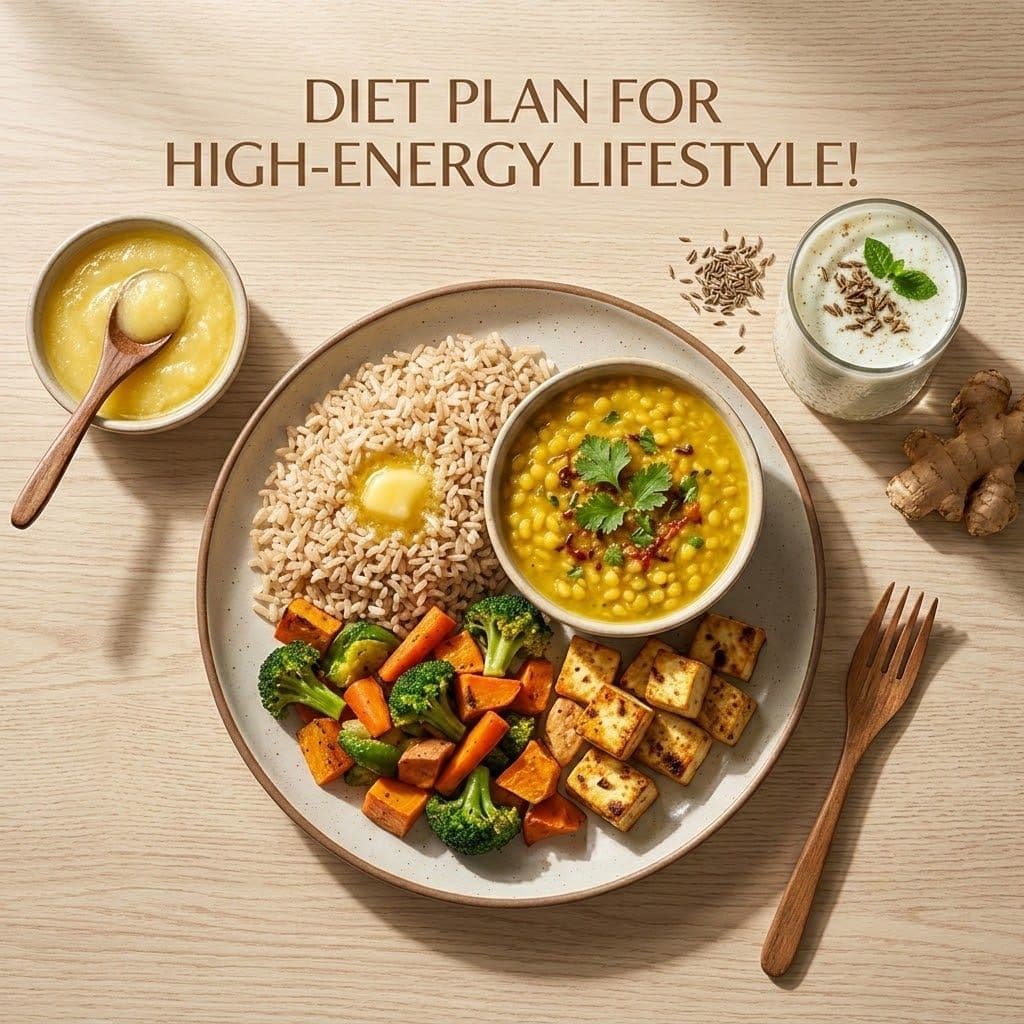
This high-energy lifestyle diet plan focuses on fueling your body with "real food" by blending Ayurvedic principles with modern nutritional science to sustain energy all day and prevent crashes. The core strategy is to eliminate highly processed foods, white sugar, refined flour (Maida), and cold water, which are known to disrupt digestion and cause energy spikes. Instead, the plan emphasizes whole, slow-burning fuel sources for consistent stamina.

Recommended foods include whole grains, easy-to-digest Moong Dal, seasonal vegetables, high-quality proteins like boiled eggs or local paneer, and a small serving of ghee for digestion and brain health. Key guidelines stress mindful eating and timing: consume your largest meal at lunchtime (12 PM – 2 PM) when your digestive fire is strongest, and finish a light dinner by 7:30 PM for better sleep. This regimen provides steady fuel, helps the body burn stored fat, stabilizes blood sugar, reduces fatigue, and is backed by recent dietary guidelines that urge prioritizing whole foods over processed items.

Foods To Include

Your Go-To Ayurvedic Indian List

  • Whole Grains (Dalia, Oats, Brown Rice): These provide steady energy for hours.
  • Moong Dal: This is the easiest pulse to digest and builds strength.
  • Ghee (Clarified Butter): A small spoon boosts your digestive fire and brain health.
  • Seasonal Vegetables (Lauki, Palak, Kaddu): These keep your stomach light and body hydrated.
  • Ginger and Cumin (Jeera): These spices help you absorb nutrients better.
  • Boiled Eggs or Local Paneer: These give you high-quality protein for muscle repair.
  • Fresh Buttermilk (Chaas): It cools the body and aids midday digestion.
  • Roasted Peanuts or Makhana: These are perfect for quick, healthy energy.

Foods To Avoid

  • Ice Cold Water: It puts out your digestive fire and slows energy.
  • Refined Flour (Maida): This causes bloating and makes you feel heavy.
  • White Sugar: It causes a quick energy spike followed by a crash.
  • Stale or Leftover Food: These lose life energy and cause dullness.
  • Packaged Salty Snacks: These drain your body’s hydration and lower stamina.

The 7-Day Protocol

Day 1
Early Morning

Warm dalia upma with jeera and peas.

Breakfast

Two boiled eggs with one whole-wheat roti.

Lunch

Rice, masoor dal, and stir-fried spinach.

Evening Snack

A handful of roasted makhana.

Dinner

Moong dal khichdi with a spoon of ghee.

Day 2
Early Morning

Suji halwa (low sugar) with crushed nuts.

Breakfast

2 bajra rotis with methi (fenugreek) sabzi

Mid-Morning

Rice, chana dal, and pumpkin sabzi

Lunch

A cup of warm ginger tea

Evening Snack

One small bowl of sprouts (steamed)

Dinner

Lauki soup and one soft roti

Day 3
Early Morning

Besan chilla with mint chutney

Breakfast

1 Stuffed dal paratha (less oil)

Mid-Morning

2 rotis, tur dal, and bhindi sabzi

Lunch

Rice, kadhi (besan), and green beans

Evening Snack

A few soaked almonds and walnuts.

Dinner

Rice and moong dal (watery consistency)

Day 4
Early Morning

Masala omelet with 2 whole wheat rotis.

Breakfast

Idli (2 pieces) with coconut chutney

Mid-Morning

Rice, moong dal, and parwal sabzi.

Lunch

2 rotis, rajma (well-cooked), and cabbage sabzi.

Evening Snack

Roasted chana (black gram)

Dinner

Vegetable khichdi with 1 teaspoon ghee

Day 5
Early Morning

Whole wheat pancakes with honey

Breakfast

Flattened rice (Poha) with extra peas

Mid-Morning

2 rotis, paneer matar, and cucumber salad

Lunch

A handful of sunflower or pumpkin seeds

Evening Snack

One orange or seasonal citrus fruit

Dinner

One thin roti with mashed dal

Day 6
Early Morning

2 Moong dal cheelas

Breakfast

Dalia with milk and dry fruits

Mid-Morning

2 rotis, soy chunks curry, and salad

Lunch

Bajra khichdi with a bowl of curd

Evening Snack

Steamed corn with black pepper

Dinner

Bottle gourd (lauki) stew

Day 7
Early Morning

2 small uttapams with tomato chutney.

Breakfast

Oats porridge with banana slices.

Mid-Morning

Paneer paratha (dry roasted) with curd.

Lunch

2 rotis, black-eyed beans (lobia), and spinach.

Evening Snack

A small bowl of papaya.

Dinner

Moong dal and rice khichdi.

Frequently Asked Questions

How can I eat for high energy all day without crashing?

To maintain steady energy, prioritize high-quality protein and fiber-rich whole foods like vegetables, fruits, and whole grains at every meal. Avoid added sugars and refined carbohydrates, as these cause blood sugar spikes followed by tiring energy crashes. Eating smaller, regular meals throughout the day can also help keep your stamina consistent.

What are the best foods to eat to avoid a midday energy slump?

Focus on nutrient-dense, "real" foods that provide sustained fuel, such as beans, lentils, and seasonal produce. These foods are more affordable and effective for energy than highly processed snacks or sugary drinks. Consuming complex carbohydrates and lean proteins together helps ensure a slow, steady release of energy.

How much protein should I eat at each meal to keep my energy up?

The 2025-2030 Dietary Guidelines suggest prioritizing protein at every meal to support muscle maintenance and satiety. While specific gram amounts depend on your individual calorie needs, you should ensure your plate includes a portion of high-quality protein, such as legumes, eggs, or lean meat, to fuel your daily activities.

Does cutting out ultra-processed foods really improve energy?

Yes, reducing your intake of ultra-processed foods, salty snacks, and ready-to-eat meals is a core recommendation for better health and stable energy. These foods often lack the vital nutrients your body needs to function optimally. Replacing them with whole foods helps prevent the fatigue often associated with poor diet quality.

Can I get enough energy from a plant-based diet without supplements?

Yes, research shows that you can meet or exceed your protein requirements on a varied plant-based diet without needing extra supplements. Foods like beans, lentils, and nuts are excellent, cost-effective sources of energy and protein. For most people eating a varied diet, only Vitamin D is typically recommended by experts for consistent health benefits.

Reviewed By

Syed Aman Hussain

Reviewed By

Syed Aman Hussain

BAMS, MD

View Profile →
Book Consult